Multi-Level Hardscape Designs: Maximizing Outdoor Spaces in Ballantyne NC
In the charming neighborhoods of Ballantyne, NC, homeowners are increasingly looking to maximize their outdoor spaces with innovative solutions. Multi-level hardscape designs offer a unique approach to enhancing both the aesthetic and functional aspects of these outdoor areas. By incorporating native plants into these designs, residents can create sustainable and beautiful outdoor environments that thrive in North Carolina’s climate. In this article, we will explore how multi-level hardscape designs can transform your outdoor spaces, with a focus on the integration of native plants for sustainable landscaping solutions.
The Benefits of Multi-Level Hardscape Designs
Multi-level hardscape designs are an excellent way to address the varied topography often found in Ballantyne and the surrounding areas. These designs not only enhance the visual appeal of outdoor spaces but also provide practical solutions for issues like erosion control and drainage.
Visual Appeal and Functionality
By using different levels, homeowners can create distinct zones for entertaining, relaxing, and gardening. This approach can transform a standard yard into a dynamic landscape that offers both beauty and utility. Elevated patios and terraces can provide stunning views, while lower levels can offer secluded retreats for quiet enjoyment.
Addressing Drainage and Erosion
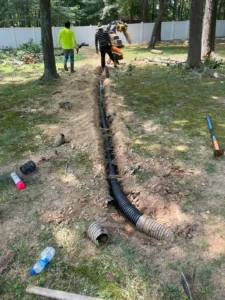
The undulating terrain in Ballantyne often presents challenges such as grading issues in yards and erosion. Multi-level hardscaping, when designed by an experienced landscaper in Monroe, NC, can effectively manage stormwater runoff and reduce soil erosion. Features like retaining walls and strategic plantings help stabilize the soil and improve water management.
Integrating Native Plants for Sustainability
Incorporating native plants into multi-level hardscape designs is an eco-friendly choice that supports local biodiversity and reduces maintenance requirements. Native plants are adapted to the local climate and soil conditions, making them more resilient and easier to care for.
Choosing the Right Plants
When selecting plants for your multi-level design, it’s essential to consider those that thrive in North Carolina’s environment. Popular choices include the Eastern Redbud, Carolina Jessamine, and various native grasses that add texture and movement to the landscape. These plants not only blend seamlessly with the natural surroundings but also help in erosion control for sloped yards.
Creating a Wildlife-Friendly Environment
Native plants attract beneficial wildlife such as pollinators, birds, and butterflies, enhancing the ecological value of your outdoor space. By choosing a mix of flowering plants and shrubs, homeowners can create a vibrant ecosystem that supports local flora and fauna while adding seasonal interest to their gardens.
Retaining Walls: A Key Element in Multi-Level Designs
Retaining walls are a fundamental component of multi-level hardscape designs, providing both structural support and aesthetic appeal. They are particularly valuable in areas with significant elevation changes, where they can prevent soil erosion and create flat, usable spaces.
Materials and Aesthetic Options
Retaining walls can be constructed from various materials, including natural stone, brick, and concrete. Each material offers a distinct look, allowing homeowners to match their walls to the style of their home and surrounding landscape. For those seeking a more natural appearance, stone walls can be integrated with plantings to soften their lines and enhance their visual appeal.
Practical Considerations
When planning a retaining wall, it’s crucial to work with a hardscape contractor in Monroe, NC, who understands the local soil and drainage conditions. Proper design and installation are essential to ensure the wall’s stability and longevity. Retaining walls can also be integrated with seating, lighting, and water features to enhance their functionality and beauty.
Incorporating Water Features for Tranquility
Water features such as fountains, ponds, and waterfalls can add a serene and calming element to multi-level hardscape designs. They not only contribute to the aesthetic appeal of the space but also offer practical benefits such as improved air quality and natural cooling effects.
Design and Placement
The placement of water features should be carefully considered to maximize their impact. Positioning a water feature at the center of a patio or near a seating area can create a focal point that draws visitors in. For properties with a natural slope, waterfalls can be incorporated into retaining walls, creating a seamless and integrated look.
Enhancing with Lighting
To extend the enjoyment of water features into the evening, consider adding landscape lighting. Low-voltage lighting can illuminate the water’s movement and provide a soft, inviting glow. This not only adds to the ambiance but also enhances safety and visibility.
Maximizing Usable Space with Patios and Walkways
Patios and walkways are essential elements in any multi-level hardscape design, offering connectivity and usability across different levels of the landscape. They provide functional pathways and gathering areas for family and friends to enjoy.
Material Selection and Design
When designing patios and walkways, homeowners can choose from a range of materials such as pavers, flagstone, or concrete. Each material offers unique benefits in terms of durability, maintenance, and aesthetic appeal. For instance, paver patios provide a versatile and customizable option that can be tailored to fit any design vision.
Enhancing Functionality
Patios can be designed to accommodate various activities, from outdoor dining to lounging by a fire pit. Incorporating built-in seating, planters, or outdoor kitchens can further enhance their functionality. Walkways, on the other hand, should be designed to guide visitors through the landscape, connecting different areas seamlessly and safely.
Lighting Solutions for Safety and Ambiance
Effective lighting is a crucial component of any outdoor space, enhancing both safety and ambiance. In multi-level hardscape designs, lighting can highlight architectural features, illuminate pathways, and create a welcoming atmosphere.
Types of Outdoor Lighting
Homeowners can choose from a variety of lighting options, including pathway lighting, spotlights, and accent lighting. Each type serves a specific purpose, from guiding steps safely to highlighting focal points like sculptures or water features. For eco-friendly options, consider low-voltage landscape lighting that reduces energy consumption while providing ample illumination.
Professional Installation
Working with an outdoor lighting contractor ensures that the lighting design is both functional and aesthetically pleasing. Professional installation guarantees that the lighting system is safe, efficient, and tailored to the specific needs of the property.
Conclusion
Transforming your outdoor space with a multi-level hardscape design can significantly enhance your property’s appeal and functionality. By integrating native plants and sustainable features, you create a landscape that is both beautiful and environmentally friendly. Whether you’re addressing drainage issues or simply looking to expand your living space outdoors, these designs offer a versatile solution. For homeowners in Ballantyne and surrounding areas, partnering with a trusted local expert like D & L Landscape Pros can ensure a successful and satisfying transformation. Explore how you can incorporate these elements into your own landscape design plans today.