Introduction
Retaining walls are a crucial component of landscape design, especially in Monroe, NC, where the local terrain and climate can pose unique challenges. Proper retaining wall installation not only enhances the aesthetic appeal of a property but also plays a vital role in controlling erosion and managing drainage issues. In this comprehensive guide, we’ll explore the essential aspects of retaining wall installation with a focus on ensuring proper drainage and extending the longevity of these structures. Whether you’re a homeowner in Monroe or the surrounding areas of South Charlotte, Matthews, Mint Hill, Waxhaw, Ballantyne, or Indian Trail, understanding the importance of drainage solutions during installation can protect your investment and enhance your outdoor living spaces.
The Importance of Retaining Walls in Monroe, NC
Retaining walls serve both functional and aesthetic purposes. In regions like Monroe, NC, where heavy rainfall and North Carolina clay soil are prevalent, these structures help prevent erosion and manage water flow effectively. By providing support to vertical slopes of soil, retaining walls can prevent landslides and soil erosion, safeguarding your property from potential damage. Furthermore, they offer a visually appealing element to your landscape, integrating seamlessly with other hardscaping features like paver patios and walkways.
Functional Benefits
Retaining walls are essential for properties with sloped landscapes, as they help create level areas that can be used for gardens, patios, or lawns. This not only increases the usability of your outdoor spaces but also adds value to your property. Properly installed retaining walls can also redirect surface water away from your home, mitigating the risk of water pooling near the foundation.
Aesthetic Enhancements
From a design perspective, retaining walls can transform the look of your landscape, adding depth and texture. They can be crafted from a variety of materials, including natural stone, brick, or concrete blocks, each offering a distinct style that complements your home’s architecture.
Understanding Drainage Solutions for Retaining Walls
One of the most critical aspects of retaining wall installation is ensuring proper drainage. Without adequate drainage solutions, water can build up behind the wall, leading to increased pressure that could cause the wall to fail. Understanding the different drainage techniques can help in designing a system that supports the longevity of your retaining wall.
French Drains
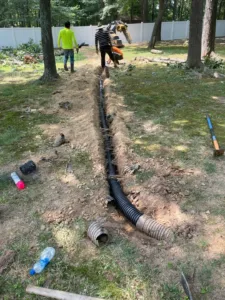
French drains are a popular solution for managing water buildup behind retaining walls. These drains consist of a trench filled with gravel and a perforated pipe that redirects water away from the wall. By channeling water effectively, French drains can prevent the hydrostatic pressure that often leads to wall failure. For more on this, consider consulting a French drain installation Monroe NC expert.
Gravel Backfill
Using gravel as a backfill material behind the retaining wall is another effective method for promoting drainage. The porous nature of gravel allows water to pass through, reducing pressure on the wall. This technique is often used in combination with other drainage solutions to enhance effectiveness.
Weep Holes
Weep holes are small openings placed at the base of retaining walls to allow water to escape. These holes prevent water from accumulating behind the wall, thus reducing pressure and extending the wall’s lifespan. When designing a retaining wall, it is essential to consider the placement and size of weep holes to ensure they function properly.
Steps for Proper Retaining Wall Installation
Installing a retaining wall involves several steps, each critical to ensuring the structure’s stability and longevity. Here is a step-by-step guide to help you understand the process:
Site Assessment
Before installation, a thorough site assessment is crucial. This involves evaluating the soil type, slope, and drainage conditions. In Monroe, NC, where clay soil is common, understanding the soil’s characteristics is vital for determining the best materials and construction techniques. For expert tips on dealing with NC clay soil, visit NC clay soil drainage expert tips.
Design and Planning
Once the assessment is complete, the next step is designing the wall. This involves selecting materials, determining the wall’s height and length, and planning the layout. It’s important to work with a professional landscape contractor who can provide guidance on design choices that suit your property’s needs.
Excavation and Foundation Construction
Excavation involves removing soil to create space for the wall’s foundation. The foundation is typically constructed from compacted gravel, providing a stable base for the wall. Proper foundation construction is essential for preventing settling and shifting over time.
Wall Construction
With the foundation in place, the wall construction begins. This involves laying the wall material in layers, ensuring each layer is level and secure. Attention to detail during this phase is crucial for creating a sturdy and visually appealing wall.
Backfilling and Drainage Installation
After constructing the wall, backfilling with gravel and installing drainage solutions are the final steps. These measures help manage water flow and prevent pressure buildup behind the wall. Effective drainage is key to maintaining the wall’s integrity and longevity. For additional guidance on drainage solutions, explore effective drainage solutions Monroe NC.
Common Challenges and Solutions in Retaining Wall Installation
Despite the benefits of retaining walls, several challenges can arise during installation, particularly in areas like Monroe, NC. Understanding these challenges and their solutions can help ensure a successful project.
Dealing with Clay Soil
Clay soil, common in North Carolina, poses a unique challenge due to its poor drainage capabilities. To address this, incorporating proper drainage solutions during installation is essential. Using gravel backfill and French drains can mitigate the issues associated with clay soil.
Managing Erosion
Erosion is a significant concern for sloped properties. Retaining walls can help control erosion by stabilizing the soil. However, it’s important to incorporate erosion control measures, such as planting vegetation or using erosion control fabrics, to enhance the wall’s effectiveness. For more insights, check out effective erosion control Monroe NC.
Addressing Drainage Issues
Improper drainage is a leading cause of retaining wall failure. To prevent this, it’s crucial to design a comprehensive drainage system that includes weep holes, French drains, and proper grading. Consulting with a drainage contractor near you can provide valuable insights for addressing these issues effectively.
Choosing the Right Professional for Retaining Wall Installation
While some homeowners may attempt a DIY approach, professional installation is recommended for ensuring the quality and longevity of retaining walls. Here are some factors to consider when selecting a professional for your project:
- Experience and Expertise: Look for a landscape contractor with extensive experience in retaining wall installation and a deep understanding of local soil and drainage conditions.
- Local Knowledge: A contractor familiar with Monroe, NC’s unique climate and terrain can offer tailored solutions that address specific challenges.
- Portfolio and References: Review the contractor’s previous projects and seek references to gauge their quality of work and customer satisfaction.
- Licensing and Insurance: Ensure the contractor is licensed and insured to protect yourself from potential liabilities.
For trusted expertise in retaining wall installation and other landscaping services in Monroe, NC, consider partnering with D & L Landscape Pros. Their team offers customized solutions that enhance both the functionality and beauty of your property.
Conclusion
Retaining walls are a valuable addition to any landscape, offering both practical and aesthetic benefits. In Monroe, NC, where unique challenges like clay soil and heavy rainfall exist, proper installation with a focus on drainage is crucial for ensuring the longevity of these structures. By understanding the importance of drainage solutions and working with experienced professionals like D & L Landscape Pros, homeowners can protect their investment and enjoy enhanced outdoor living spaces for years to come. Contact D & L Landscape Pros today to learn more about how they can help you achieve your landscaping goals.