If you’ve ever spent time pulling weeds, spraying them, or clearing out your landscape beds — only to see them come back weeks later — you’re not alone. Homeowners across Monroe, South Charlotte, Matthews, and Waxhaw constantly ask the same question: how do I stop weeds from coming back after I remove them?
The truth is, weed removal is only half the battle. In North Carolina, weeds thrive because of clay soil, moisture retention, and long growing seasons. If the underlying conditions aren’t addressed, weeds will always return.
That’s why D & L Landscape Pros focuses on prevention, not just removal. If you want lasting results, here’s what you need to understand.
Why Weeds Keep Coming Back
Weeds are persistent because they’re designed to survive in tough conditions. Even after removal, several factors allow them to return quickly:
- Seeds remain in the soil
- Roots are not fully removed
- Soil conditions favor weed growth
- Mulch layers are too thin or degraded
- Edges allow weeds to creep in
Many homeowners think they’ve solved the problem once weeds are gone. But without changing the environment, new growth is almost guaranteed.
If you’ve already dealt with general weed problems, you may recognize patterns similar to those discussed in weed control for NC lawns — but recurrence requires a different strategy.
Step 1: Remove Weeds Completely — Not Just the Surface
The first step in preventing weeds from coming back is removing them properly.
Pulling weeds from the surface often leaves roots behind. In clay soil, roots can run deep or break apart easily, allowing regrowth.
For effective removal:
- Pull weeds from the base, not the top
- Remove as much of the root system as possible
- Address weeds before they seed
D & L Landscape Pros often starts with thorough yard cleanups to clear out existing weeds and prepare beds for long-term prevention.
Step 2: Apply Mulch the Right Way
Mulch is one of the most effective tools for preventing weed regrowth — but only when applied correctly.
A proper mulch layer:
- Blocks sunlight from reaching weed seeds
- Reduces germination
- Helps retain moisture for desired plants
Most landscape beds need 2–3 inches of mulch for effective weed control. Anything less allows weeds to push through.
Professional mulch and pine needle installation ensures:
- Even coverage
- Proper depth
- Clean bed definition
D & L Landscape Pros frequently sees weed problems caused by mulch that’s too thin, uneven, or broken down over time.
Step 3: Maintain Strong, Defined Edges
Weeds don’t just grow from within — they often spread from surrounding areas.
Without proper edging:
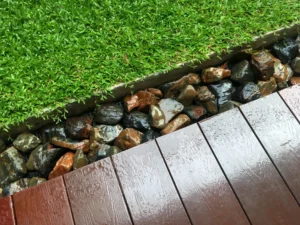
- Grass creeps into landscape beds
- Weeds migrate from the lawn
- Beds lose their definition
Clean edges act as a barrier, slowing the spread of unwanted growth.
If your beds constantly get overrun, it may be worth revisiting how edges are maintained. Many homeowners notice improved results after reinforcing bed boundaries and maintaining them regularly.
Step 4: Improve Soil Conditions
Healthy soil supports strong plant growth — which naturally suppresses weeds.
In North Carolina, clay soil creates challenges:
- It holds moisture unevenly
- It compacts easily
- It can create ideal conditions for weed growth
Understanding soil health and moisture retention helps explain why weeds thrive in certain areas of your yard.
D & L Landscape Pros often improves soil conditions as part of long-term weed prevention, making it harder for weeds to take hold.
Step 5: Address Drainage Issues
Weeds love moisture. If certain areas of your yard stay wet longer than others, they become ideal environments for weed growth.
Common signs of drainage-related weed issues include:
- Persistent damp soil
- Weeds concentrated in low spots
- Faster regrowth after rain
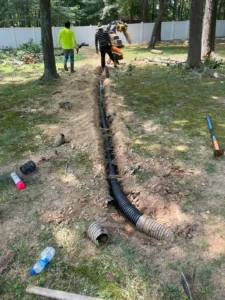
In these cases, improving water flow is essential. Professional yard drainage solutions help eliminate the conditions weeds rely on to thrive.
Without addressing drainage, weed problems often return no matter how often you remove them.
Step 6: Keep Landscape Beds Maintained
Weed prevention isn’t a one-time task — it’s an ongoing process.
Regular maintenance helps:
- Catch new weeds early
- Maintain mulch depth
- Keep edges defined
- Prevent seeds from spreading
Without maintenance, even well-installed beds can become overrun.
D & L Landscape Pros provides ongoing landscape care to keep beds clean, controlled, and visually appealing throughout the year.
Step 7: Avoid Common Mistakes That Encourage Weeds
Many well-intentioned landscaping practices actually make weed problems worse.
Common mistakes include:
- Applying mulch too thin
- Letting mulch break down without replacing it
- Overwatering landscape beds
- Ignoring early weed growth
- Skipping seasonal cleanups
Each of these creates opportunities for weeds to return.
Taking a proactive approach prevents small issues from becoming widespread problems.
Why Weeds Return More Quickly in North Carolina
North Carolina’s climate creates ideal conditions for weed growth:
- Long growing seasons
- Warm temperatures
- Frequent rainfall
This means weeds don’t just grow — they grow aggressively.
Even after removal, seeds in the soil can germinate quickly when conditions are right. That’s why prevention strategies are so important in this region.
The Role of Professional Landscape Design
Well-designed landscapes naturally reduce weed problems.
When plants are spaced correctly and beds are structured properly:
- There’s less open soil for weeds to grow
- Desired plants outcompete unwanted growth
- Maintenance becomes easier
Professional landscape services help create environments where weeds struggle to take hold.
D & L Landscape Pros designs landscapes with long-term performance in mind — not just initial appearance.
When to Call a Professional
If you’re constantly dealing with weeds despite repeated removal, it’s time to look at the bigger picture.
Recurring weed problems often indicate:
- Poor soil conditions
- Inadequate mulch coverage
- Drainage issues
- Lack of proper maintenance
D & L Landscape Pros evaluates all of these factors to create a comprehensive solution.
Rather than treating weeds as an isolated issue, they address the conditions that allow weeds to thrive.
Stop Fighting Weeds — Start Preventing Them
Weeds don’t come back because you didn’t remove them correctly — they come back because the environment still supports them.
By focusing on:
- Proper mulch application
- Soil improvement
- Drainage correction
- Ongoing maintenance
you can significantly reduce regrowth and keep your landscape looking clean and well-maintained.
If you’re tired of weeds returning again and again, D & L Landscape Pros can help you build a long-term solution that works in North Carolina conditions.
Schedule your free estimate and get expert help from Monroe and South Charlotte’s trusted landscaping professionals — and finally keep weeds from coming back.